
Does Low Testosterone Cause Weight Gain?
Does low testosterone cause weight gain? In many cases, it can contribute. Testosterone plays an important role in regulating muscle mass, fat distribution, energy levels, and metabolism. When testosterone levels drop below the normal range, many men notice gradual changes in their body composition. These changes can make it harder to maintain a healthy weight.
One of the biggest effects of low testosterone is the loss of lean muscle mass. Muscle burns more calories than fat, even while your body is at rest. As muscle mass decreases, your metabolism may slow down. This means your body burns fewer calories throughout the day. As a result, losing weight can become more difficult.
Low testosterone may also reduce your energy and motivation. Many men feel more tired and less interested in regular exercise. Lower activity levels, combined with a slower metabolism, can increase the risk of gaining body fat, especially around the abdomen.
However, low testosterone weight gain is not caused by hormones alone. Diet, sleep, stress, age, and physical activity also play important roles. That’s why it’s important to identify the underlying cause instead of assuming testosterone is the only factor.
If you’re wondering does low testosterone cause weight gain, the answer depends on your overall health and hormone levels. A simple blood test and medical evaluation can determine whether low testosterone may be contributing to your symptoms.
At PRIMAL VITALITY MEN’S HEALTH, we provide comprehensive hormone evaluations and personalized treatment plans. If low testosterone is affecting your energy, body composition, or overall well-being, our experienced providers can help you explore safe, science-backed treatment options designed around your individual health goals.
Can Low Testosterone Cause Weight Gain?
Can low testosterone cause weight gain? Yes, it may contribute for some men. However, the process is often gradual. Low testosterone can change how your body stores fat, builds muscle, and uses energy. Over time, these changes may lead to noticeable weight gain.
One of the biggest reasons is the loss of lean muscle. Muscle helps your body burn calories throughout the day. When muscle mass decreases, your metabolism may slow down. As a result, your body burns fewer calories, even when you’re resting.
Low testosterone can also reduce energy and motivation. Many men become less active because they feel tired or recover more slowly after exercise. This drop in physical activity can increase body fat and make it harder to lose weight.
In addition, low testosterone may encourage fat to collect around the waist. Increased abdominal fat can affect hormone balance and overall metabolic health. This creates a cycle that becomes more difficult to break without addressing the underlying cause.
If you’re concerned about low testosterone and weight gain, don’t rely on symptoms alone. A professional hormone evaluation can determine whether your testosterone levels are within a healthy range. At PRIMAL VITALITY MEN’S HEALTH, we provide comprehensive testing and personalized treatment plans to help you improve your health, body composition, and long-term wellness.
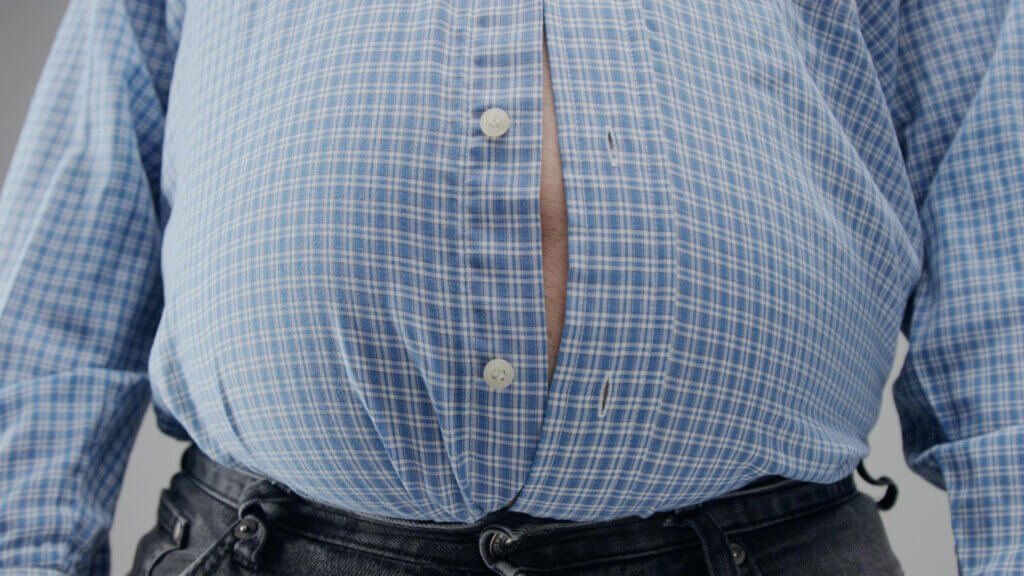
How Low Testosterone Affects Your Metabolism
Your metabolism determines how your body converts food into energy. Testosterone plays an important role in this process. When hormone levels fall, your metabolism may become less efficient.
Low testosterone can reduce lean muscle mass. Since muscle burns more calories than fat, losing muscle may slow your metabolic rate. This means your body uses fewer calories throughout the day, even when you’re resting.
Low testosterone can also reduce energy levels. Many men feel tired and exercise less often. Less physical activity means fewer calories burned and a greater chance of gaining body fat.
In addition, low testosterone may increase fat storage, especially around the abdomen. Extra body fat can further affect hormone balance and make weight management more challenging.
Although low testosterone and weight gain are often connected, metabolism is influenced by many factors. Your diet, sleep, stress levels, age, and physical activity also play important roles.
If you suspect your metabolism has changed, a hormone evaluation may provide answers. At PRIMAL VITALITY MEN’S HEALTH, we identify the root cause of your symptoms and create personalized treatment plans that support long-term health, healthy body composition, and overall wellness.
Signs Your Weight Gain May Be Linked to Low Testosterone
Weight gain can happen for many reasons. However, if it occurs alongside other symptoms, low testosterone may be a contributing factor. A hormone evaluation can help determine the cause.
You may notice:
- Increased belly fat, even with regular exercise.
- Difficulty losing weight despite a healthy diet.
- Loss of lean muscle mass or reduced muscle definition.
- Persistent fatigue or low energy throughout the day.
- Reduced strength during workouts or daily activities.
- Slower recovery after exercise.
- Lower motivation to stay physically active.
- Low libido or changes in sexual performance.
- Mood changes, including irritability or low confidence.
- Brain fog or difficulty concentrating.
These symptoms don’t always mean you have low testosterone. Other health conditions can cause similar changes. If you’re experiencing several of these signs, consider a professional evaluation.
At PRIMAL VITALITY MEN’S HEALTH, we use comprehensive hormone testing to identify the underlying cause of your symptoms. We then create a personalized treatment plan based on your health goals and laboratory results.

Low Testosterone and Weight Gain: Why Muscle Matters
Muscle plays a major role in maintaining a healthy weight. It burns more calories than fat, even while your body is at rest. That’s why losing muscle can make weight management more difficult.
Low testosterone and weight gain are often connected because testosterone helps maintain lean muscle mass. When testosterone levels drop, muscle mass may decrease over time. As muscle declines, your metabolism can slow down. This means your body burns fewer calories each day.
Lower muscle mass can also affect your strength and endurance. Many men find it harder to stay active or complete regular workouts. Reduced physical activity can lead to additional fat gain, especially around the abdomen. Over time, this may create a cycle that becomes increasingly difficult to break.
Building and preserving muscle is important for long-term metabolic health. Resistance training, a protein-rich diet, quality sleep, and healthy lifestyle habits all support lean muscle. If low testosterone is contributing to your symptoms, treating the underlying hormone imbalance may also help support healthier body composition.
At PRIMAL VITALITY MEN’S HEALTH, we evaluate your hormone levels, symptoms, and overall health before recommending treatment. If appropriate, we’ll create a personalized plan that supports muscle health, healthy weight management, and long-term wellness.
Can TRT Help Reverse Low Testosterone Weight Gain?
TRT may help some men improve body composition. However, it is not a quick weight-loss solution. Testosterone Replacement Therapy is designed for men with clinically low testosterone confirmed by blood testing.
When testosterone levels improve, many men notice better energy and motivation. This can make exercise easier. TRT may also help support lean muscle mass. More muscle can help your body burn more calories throughout the day.
Still, TRT works best with healthy habits. A balanced diet, strength training, cardio, quality sleep, and stress control all matter. Without these habits, weight loss can still be difficult.
It is also important to set realistic expectations. TRT may support fat loss and muscle health in eligible men. But results vary from person to person. Your age, diet, activity level, sleep, and overall health all play a role.
If you are dealing with low testosterone weight gain, the first step is testing. At PRIMAL VITALITY MEN’S HEALTH, we check your hormone levels and symptoms. Then we create a personalized plan based on your goals, health history, and lab results.
Healthy Habits That Support Hormone Balance
Healthy lifestyle habits play an important role in hormone health. They can also make it easier to manage your weight and improve your overall well-being. While these habits cannot replace medical treatment when it’s needed, they work well alongside a personalized care plan.
- Follow a balanced, protein-rich diet to support lean muscle and a healthy metabolism.
- Strength train two to three times per week to help preserve muscle mass.
- Stay physically active with regular cardio and daily movement.
- Aim for 7–9 hours of quality sleep each night to support healthy testosterone production.
- Manage stress through exercise, meditation, or other relaxation techniques.
- Maintain a healthy weight, as excess body fat can affect hormone balance.
- Choose whole foods and limit processed foods and added sugars.
- Stay hydrated to support overall health and physical performance.
- Avoid smoking and limit alcohol, which may negatively affect hormone health.
- Schedule regular health checkups if you notice ongoing symptoms.
Regular physical activity is one of the best ways to support long-term health. The CDC’s Physical Activity Guidelines for Adults offer evidence-based recommendations to help adults stay active and maintain a healthy weight.
At PRIMAL VITALITY MEN’S HEALTH, we combine personalized hormone care with practical lifestyle guidance to help eligible men improve their health, energy, and overall wellness.
When Should You Get Your Testosterone Checked?
Many men assume weight gain is simply part of getting older. However, it can sometimes be linked to low testosterone. If your symptoms continue despite healthy lifestyle changes, it may be time for a hormone evaluation.
You should consider having your testosterone checked if you experience:
- Unexplained weight gain, especially around the abdomen.
- Difficulty losing weight despite regular exercise and healthy eating.
- Loss of muscle mass or reduced strength.
- Persistent fatigue or low energy.
- Low libido or changes in sexual performance.
- Slower recovery after workouts.
- Mood changes, including irritability or low motivation.
- Brain fog or trouble concentrating.
- Reduced exercise performance or endurance.
- Multiple symptoms that affect your daily life.
At PRIMAL VITALITY MEN’S HEALTH, we provide comprehensive hormone testing and personalized evaluations. If low testosterone is contributing to your symptoms, we’ll develop a science-backed treatment plan tailored to your health goals.
Frequently Asked Questions
1. Does low testosterone cause weight gain?
Yes, it can contribute. Low testosterone may reduce muscle mass, slow metabolism, and lower energy levels. These changes can make weight management more difficult.
2. Can low testosterone cause weight gain around the stomach?
Yes. Many men with low testosterone notice increased abdominal fat. However, diet, physical activity, age, and other health conditions also play a role.
3. Can lower testosterone cause weight gain even if I exercise?
Yes. You may still gain weight despite exercising if low testosterone affects your metabolism, muscle mass, and recovery. A hormone evaluation can determine whether low testosterone is a contributing factor.
4. What are the symptoms of low testosterone?
Common symptoms include weight gain, fatigue, reduced muscle mass, low libido, decreased strength, mood changes, and difficulty concentrating.
5. Can TRT help with low testosterone weight gain?
For eligible men with clinically low testosterone, TRT may support healthier body composition by improving energy and helping maintain lean muscle. It works best when combined with a balanced diet and regular exercise.
6. How do I know if I have low testosterone?
The only way to confirm low testosterone is through a blood test and a comprehensive medical evaluation. Symptoms alone are not enough for a diagnosis.
7. Is weight gain always caused by low testosterone?
No. Weight gain can result from poor diet, inactivity, stress, aging, certain medications, sleep problems, and other medical conditions. A professional evaluation can identify the underlying cause.
8. When should I see a healthcare provider?
If you’re experiencing unexplained weight gain along with fatigue, low libido, reduced muscle mass, or other symptoms of low testosterone, schedule a hormone evaluation. Early diagnosis can help you explore appropriate treatment options.
Ready to Take Control of Your Health?
Unexplained weight gain doesn’t have to become your new normal. If you’re experiencing weight gain, low energy, reduced muscle mass, or other symptoms of low testosterone, a professional evaluation can help identify the cause.
At PRIMAL VITALITY MEN’S HEALTH, we provide personalized, science-backed care tailored to your individual needs. Our experienced providers will evaluate your hormone levels, discuss your symptoms, and create a treatment plan designed to support your long-term health and wellness.
Book your consultation today and take the first step toward better energy, healthier body composition, and improved overall well-being.